
Hearing the term “TMJ” can bring to mind jaw clicking or popping; however, TMJ simply refers to the temporomandibular joints which are located in front of each ear. These joints connect the temporal bones of the skull to the mandible or lower jaw bone. Temporomandibular joint dysfunction on the other hand is often far more complex than a simple joint issue. Because this area is deeply connected to the head, neck, spine, and nervous system, instability here can affect how we eat, speak, sleep, hear, and move through daily life.
TMJ Dysfunction: More Than Just Jaw Pain
TMJ dysfunction (also referred to as TMD) is common, yet frequently misdiagnosed or misunderstood. Symptoms are not random; they are signals that something deeper is out of balance. People with TMJ dysfunction may experience:
- Jaw pain, stiffness, or limited range of motion
- Clicking or popping sounds in the jaw, difficulty chewing, or trouble fully opening
- Headaches, migraines, or chronic body pain
- Ear pain, fullness, or ringing (tinnitus)
- Irregular or imbalanced jaw movements
- Dizziness/vertigo or balance issues
- Facial tension or pain that radiates into the neck and shoulders
- Mood changes such as anxiety or irritability
- Digestive discomfort including gas, bloating, or heartburn
- Teeth clenching, grinding (bruxism), or worn enamel
- Sleep disturbances and fatigue

While these symptoms may seem purely mechanical or structural, they often arise from a combination of factors such as chronic unprocessed stress, cranial misalignment, muscle and connective tissue tension, and nervous system dysregulation.
The Stress-Jaw Connection
It’s no coincidence that symptoms can often flare during periods of emotional or physical stress. When we’re anxious or overwhelmed, our bodies unconsciously brace for protection—our shoulders tighten, our jaw clenches, and breathing becomes shallow. Over time, this chronic tension creates an internal environment where circulation, tissue mobility, and joint function become restricted.
Physiologically, stress activates the HPA (hypothalamic-pituitary-adrenal) axis—the body’s primary stress-response system. When this system is overactive for long periods of time, it can contribute to elevated cortisol, disrupted sleep, diminished energy, and muscle tension. This sets the stage for teeth grinding, jaw clenching, and worsening of TMJ dysfunction.
At Hope and Healing Naturopathic, we understand that TMJ concerns extend far beyond the joint itself. Working with the body to regulate and calm the internal stress response is an essential step toward long-term relief.
Root Causes of TMJ Dysfunction
Every person’s healing journey is unique, which is why a comprehensive, personalized approach is necessary. Common contributing factors to TMJ issues include:
1. Chronic Stress & Nervous System Imbalance
Stress is often a primary contributor, or a significant amplifier of jaw tension. Stored emotional stress, trauma, anxiety, and repeated fight-or-flight responses can limit vagus nerve activation (which is in close proximity to our jaw), keeping the body locked in stress patterns.
The jaw is one of the body’s most emotionally expressive areas. We grit our teeth in frustration, bite our tongue to stay quiet, or clench in fear. Over time, these unconscious patterns become physically ingrained. Gently releasing stored emotional tension can help free the jaw and restore a sense of ease.
Gentle, effective therapies such as Bio Craniopathy, Quantum Neuro Reset Therapy (QNRT), and Neuro Emotional Technique (NET) help calm the body’s protective reflexes, promote internal safety, and reset neural pathways for healthier communication between the brain and body.
2. Structural Imbalances
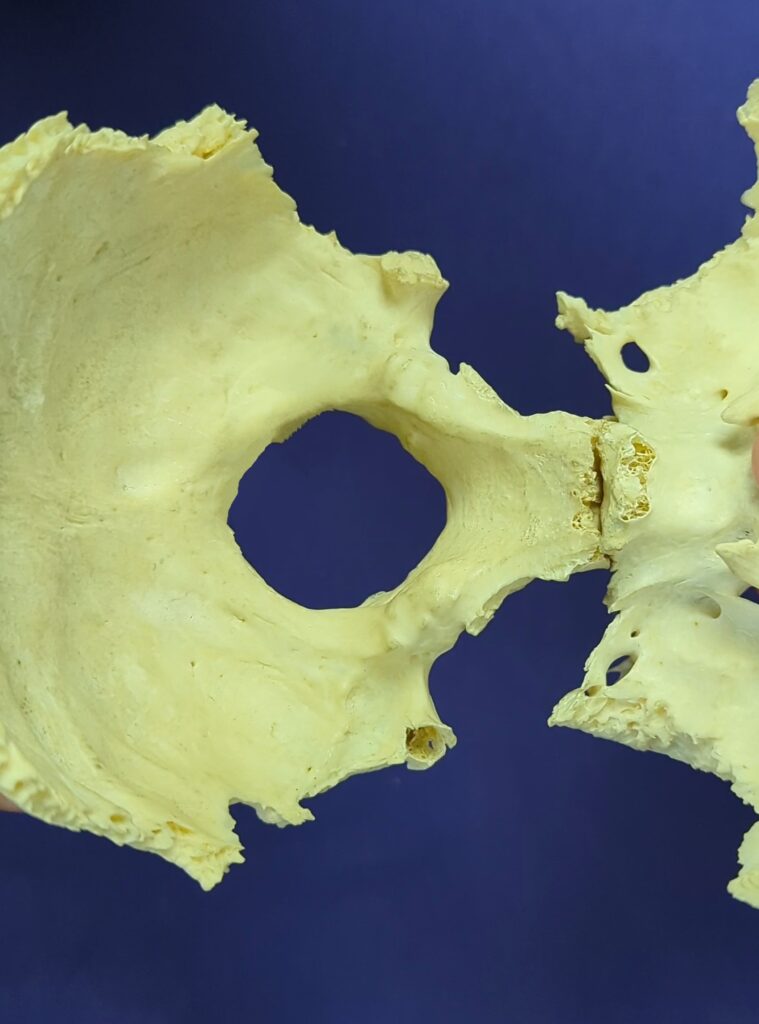
TMJ concerns often stem from postural strain or misalignments in the cranium, neck, or spine. These imbalances may develop from birth trauma, dental procedures, concussions or injuries, or habitual postures such as leaning to one side while sitting. About 80% of our nervous system is housed above the spine, therefore, cranial work can be a powerful aspect of healing, especially given that the face and jaw bones are part of our cranium. Gently addressing these imbalances through Bio Craniopathy, visceral manipulation, massage therapy, frequency devices, acupuncture, or joint manipulations with an activator can restore balance, improve jaw alignment, and reduce pain and restrictions.
3. Inflammatory Processes and Nutrient Deficiencies
Inflammation is a vague and unhelpful term that doesn’t describe why the body is mounting an inflammatory response. Diets high in processed foods, sugar, caffeine, alcohol, or personal food intolerances can contribute to digestive and systemic inflammation. Nutrient deficiencies from either inadequate intake or impaired absorption can increase muscle tension and nerve reactivity. There are countless contributors to inflammatory patterns, which is why we focus on identifying specific reasons behind this protective process.
Healing Is Possible
TMJ dysfunction can feel frustrating and painful, but it doesn’t have to limit your life. The body is designed to heal when the underlying causes are identified and addressed, rather than masked with muscle relaxers, injections, or mouthguards.

At Hope and Healing Naturopathic, we look beyond the jaw joint itself to understand the whole person—your stress patterns, structural alignment, hormones, and nutrition. Together, we uncover the root causes of TMJ dysfunction and create a personalized plan to restore balance and ease throughout the body.
You deserve more than temporary relief—you deserve lasting comfort and peace. Your body is remarkably resilient and capable when given the proper support to heal. When you’re ready, we’re here to help you begin a life with more ease.